

Can You Get Altitude Sickness on Mount Batur? What Trekkers Should Know
Mount Batur is a popular sunrise trek in Bali, but some visitors wonder whether climbing the volcano can cause altitude sickness. It is a sensible question, especially if you live near sea level, have never hiked a mountain, or sometimes feel dizzy during physical activity.
The reassuring point is that Mount Batur’s summit is around 1,717 metres (5,633 feet) above sea level, considerably lower than the elevations where classic acute mountain sickness becomes more common. That does not mean every visitor will feel perfectly comfortable. The steep trail, early start, limited sleep, cold air, dehydration, and physical effort can all contribute to symptoms that may feel similar. This guide explains the difference and how to prepare sensibly.
Is Mount Batur High Enough to Cause Altitude Sickness?
For most healthy visitors, altitude sickness is not expected to be a major concern on a typical Mount Batur sunrise trek because the summit is below the elevations usually associated with acute mountain sickness. The US Centers for Disease Control and Prevention explains that altitude illness is mainly a concern for travellers ascending to substantially higher elevations, often around 2,450 metres (8,000 feet) and above, although individual risk varies.
Mount Batur is lower than that reference point, and most sunrise treks involve climbing and then returning to lower ground rather than sleeping at the summit. Those details make the situation different from a multi-day trek in the Himalayas or a trip to a high-altitude city.
Still, no article can assess an individual’s medical risk. If you have a heart or lung condition, a history of significant altitude-related symptoms, or another health concern that affects exercise, ask a healthcare professional whether this activity is suitable for you before booking.
Why Might You Feel Unwell During the Trek?
Feeling unwell on Mount Batur does not automatically mean you have altitude sickness. The trek often begins in the middle of the night, when your body may prefer to be asleep. You may have had only a few hours of rest, travelled from another part of Bali, eaten less than usual, or started walking before you feel fully awake.
Several ordinary factors can affect how you feel:
- Physical effort: Walking uphill requires more effort than strolling around town. If you are not used to climbing, you may breathe harder or feel tired.
- Insufficient sleep: An early pickup can leave you sleepy, less focused, and less energetic than usual.
- Not eating enough: Skipping dinner or having no suitable snack may leave you feeling weak during the climb.
- Dehydration: Travelling, sweating, and drinking too little can contribute to headache or light-headedness.
- Cold and wind: The summit area can feel chilly before sunrise, and discomfort may make the trek feel more difficult.
- Anxiety or fast pacing: Starting too quickly can make your breathing feel uncomfortable, particularly if you are nervous about the climb.
These factors can overlap. Do not try to diagnose yourself on the trail or assume that you should push through symptoms just because Mount Batur is not considered a very high mountain.
What Are the Symptoms to Pay Attention To?
During a normal uphill walk, it is expected to breathe more heavily than when resting. You may also feel warm from exercise even when the air is cool. These sensations should ease when you slow down or take a short break.
Pay attention if you develop a persistent or worsening headache, unusual dizziness, nausea, vomiting, or weakness that feels out of proportion to your effort. Such symptoms can have many causes, including fatigue, dehydration, low blood sugar, or another medical problem. They should not simply be dismissed as part of the adventure.
More serious warning signs include confusion, difficulty walking steadily, fainting, chest pain, or shortness of breath that is severe or continues while resting. These require urgent medical attention. Tell your guide or trekking leader immediately and follow their emergency instructions rather than continuing toward the summit.
The CDC’s traveller guidance on altitude illness describes symptoms and explains why people should not continue ascending when symptoms suggest an altitude-related problem. Although Mount Batur is lower than many high-altitude destinations, the general principle of taking concerning symptoms seriously still applies.
How Can You Prepare Before the Sunrise Trek?
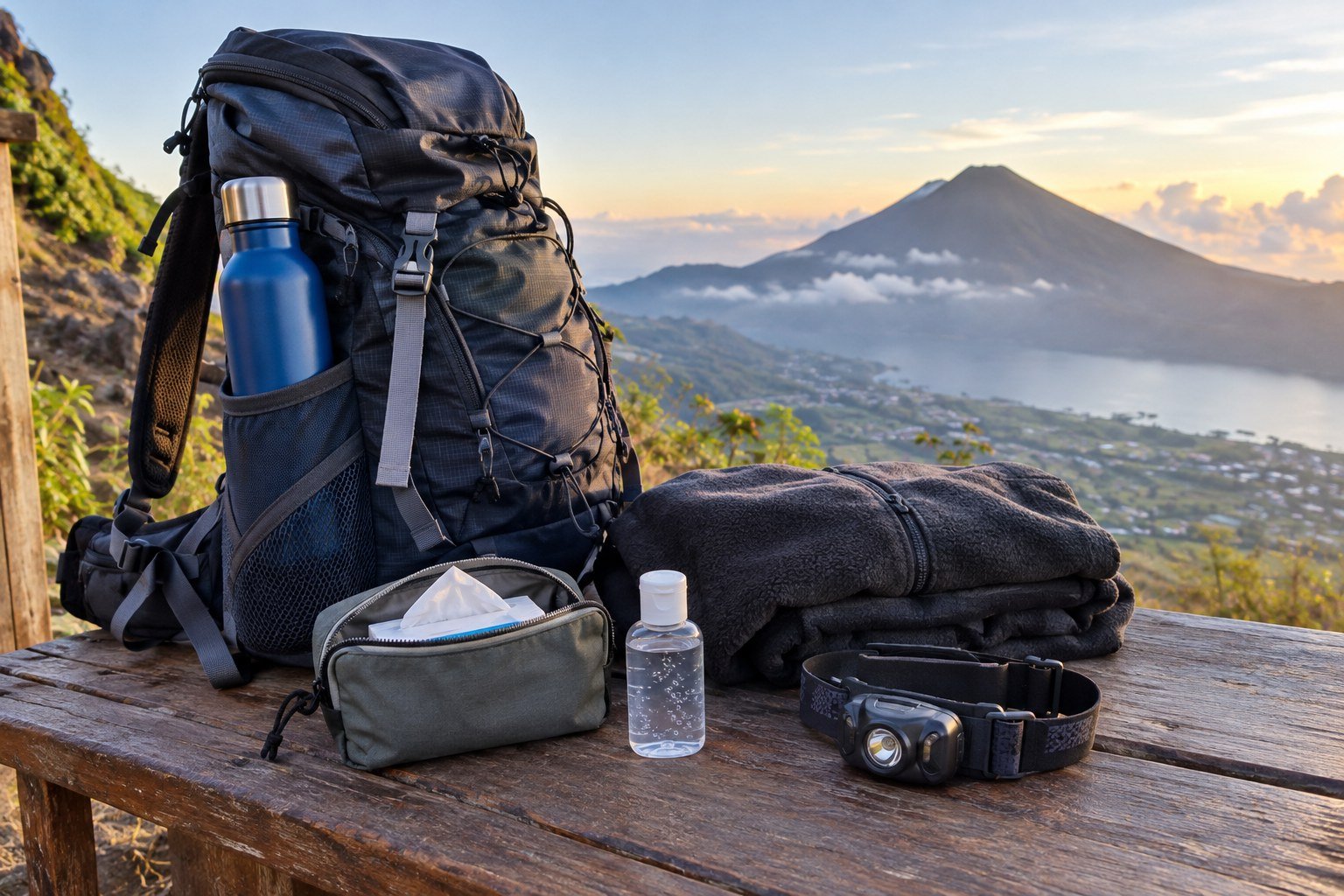
You do not need a special altitude-acclimatisation programme for a typical Mount Batur sunrise trek, but arriving rested and prepared can make the experience more comfortable. Use these practical steps as a starting point.
Get enough rest when possible
The pickup may be very early, so plan your evening around it. Avoid scheduling a late night before the trek, and confirm the pickup time and location in advance. If you have travelled a long distance that day, consider whether you will be rested enough to take part safely.
Eat normally and bring water
Have a familiar, balanced meal before going to bed, and follow your operator’s advice about food before the activity. Bring drinking water and take small sips during breaks. Avoid deliberately drinking excessive amounts; the goal is to stay comfortably hydrated.
Choose suitable footwear and a steady pace
Wear shoes with a secure fit and good grip. Mount Batur has uneven volcanic ground, and rushing increases the chance of slipping or tiring too quickly. Let your guide know if you need to slow down. A sunrise trek is not a race, and reaching the summit is not worth ignoring your body’s warning signs.
Dress for the early-morning conditions
Bring a warm layer that you can adjust as you walk. The air may feel cool before sunrise, especially if it is windy. Being comfortable can help you focus on the trail instead of spending the climb trying to warm up.
For more practical preparation, see our guide to what to wear on Mount Batur and our advice on how fit you need to be for the trek.
What Should You Do If You Feel Dizzy or Nauseated?
Stop and tell your guide as soon as you feel unusually unwell. Sit or stand in a safe place away from the edge of the trail, and do not keep climbing while you try to hide the symptoms. Your guide can help assess the situation and decide what practical steps are needed.
If symptoms are mild, a pause may help you understand whether the problem is linked to effort, hunger, or another temporary factor. However, improvement after resting does not prove that the cause is harmless. If symptoms persist, return, or worsen, do not continue toward the summit. Follow the guide’s advice and seek medical assessment when needed.
For severe symptoms such as confusion, fainting, chest pain, or significant breathing difficulty, treat the situation as an emergency. Do not leave the person alone or ask them to descend unassisted if they are unstable. Contact local emergency assistance and follow the instructions of trained responders.
Does Fitness Prevent Altitude Sickness?
Being physically fit can make uphill walking easier, but fitness does not guarantee that someone will never experience altitude-related symptoms or feel unwell. Conversely, a person who is not a regular hiker may complete the trek comfortably if they choose a suitable pace and prepare sensibly. Fitness and altitude tolerance are not the same thing.
If you are worried about the physical challenge, read our guide to how difficult Mount Batur trekking can be. It is more useful to think honestly about your walking ability, health, sleep, and comfort on uneven ground than to rely on fitness alone.
Should You Choose Trekking or a Jeep Sunrise Tour?
If you are concerned about the uphill walk, you may want to compare trekking with a sunrise tour by 4WD jeep. A jeep option can let you enjoy sunrise scenery without doing the same uphill hike on foot, although you should still check the route, access arrangements, and amount of walking involved in the specific package. It is not a substitute for medical advice if you have a condition that could make travel or activity unsafe.
Choose based on your interests and physical comfort rather than assuming that one option is medically suitable for everyone. If you have a known health condition or recent unexplained symptoms, speak with a healthcare professional before deciding.
The Bottom Line
Mount Batur’s summit is around 1,717 metres above sea level, so classic altitude sickness is less likely on a typical sunrise trek than on journeys to much higher mountains. However, early starts, uphill effort, limited sleep, dehydration, and other factors can still make you feel unwell. Take symptoms seriously, pace yourself, and tell your guide if something does not feel right.
Good preparation begins with realistic expectations and clear booking details. If you are planning your visit, see our Mount Batur sunrise trekking experiences to review the available options and choose one that suits your itinerary. If you have a medical concern, get individual advice before the activity rather than relying on general travel information alone.